Birding: Why its a great idea
7/20/2026
Most of birding is standing in one place, waiting, and being wrong about where the bird actually is. You learn a call, learn the habitat, show up at the right elevation and the right hour, binoculars already up, and most mornings nothing happens anyway. Then something does, for two or three seconds, and you would sit through the whole quiet stretch again just for that.
There is real evidence that kind of attention leaves a mark. Researchers at the Rotman Research Institute in Toronto scanned the brains of 58 adults, half expert birders and half novices, and found the experts had denser, more organized tissue in the brain regions tied to attention and visual perception. Erik Wing, who led the study, was careful about how far to take it: a study like this cannot prove birding caused the difference, only that the two groups differ, and that the same regions light up most when an expert tries to place an unfamiliar bird. It matches something birders already suspect. Naming things precisely, season after season, seems to change how closely you are able to look.
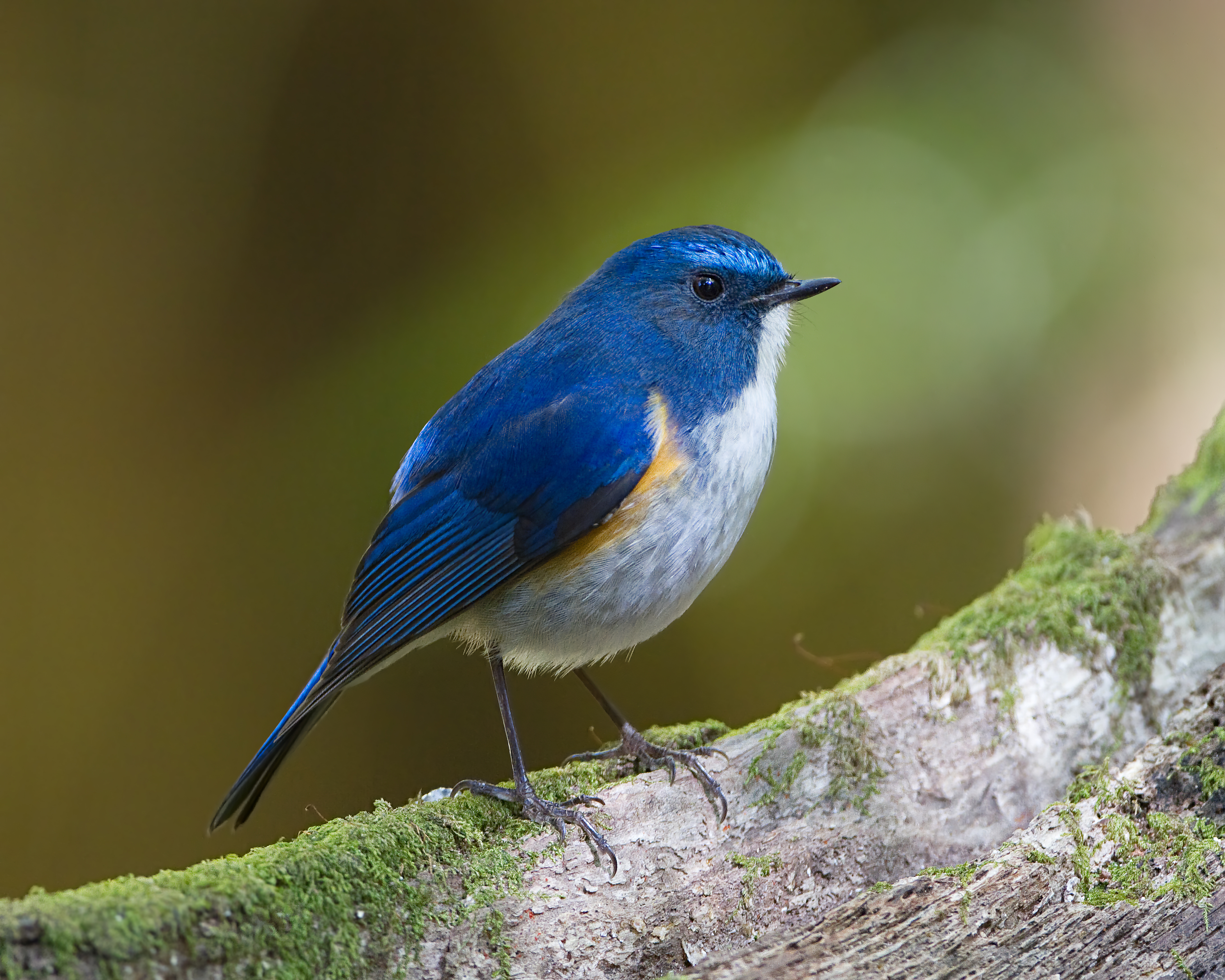
The mood effects show up faster. A King's College London team used a phone app called Urban Mind to log, in real time, whether more than a thousand people had just seen or heard a bird, then checked in on how they felt. The lift in wellbeing lasted up to eight hours, and it held even for people with diagnosed depression. A North Carolina State study went further: college students who went birdwatching for half an hour a week, five weeks running, ended up with better wellbeing and lower psychological distress than students sent on a plain nature walk instead. The birdwatchers did better than the walkers. Susan Albers, a psychologist at Cleveland Clinic, makes a simpler version of the same point: fifteen minutes outside can measurably lower cortisol and heart rate, and looking for something specific turns that time into something closer to meditation than a stroll.
None of that is why anyone actually starts birding. You start because a bird did something interesting once and you wanted to see it again. But a habit grows out of that. You start reading the light, the wind, the season, learning why a Half-collared Kingfisher works one stretch of river and ignores the pool just upstream. That is the same habit that makes a good photograph possible. A bird will not perform on command. You have to already understand the scene well enough to be standing in the right spot when it finally does.
That is most of what birding actually teaches you: you get the elevation and the hour right more often over time, though never every time, and once in a while, if you were patient and a little lucky, a bird gives you the two or three seconds you came for.
