Using the Sony A1 in 2026: Pre-preview
8/28/2026
Sony announced the Alpha 1 on 26 January 2021. Australian buyers got bodies in late February, the UK and US through March, at around $6,500. The reason it existed is that Sony's professional line had a gap in the middle. The A9 II shot 24 megapixels at 20 frames per second and went to sport and news shooters. The A7R IV shot 61 megapixels at 10 frames per second and went to landscape, studio and commercial work. Anyone whose work crossed both ends carried two bodies and swapped in the field, usually at the wrong moment. Sony dropped the 7 and the 9 from the name for this one, which tells you how they wanted it read.
The Specifications on this camera is wild! 50.1MP full-frame stacked BSI CMOS sensor, 8640 x 5760 maximum. ISO 100 to 32,000 native, 50 to 102,400 expanded. 30fps electronic, 10fps mechanical. 759 phase-detect points over roughly 92 percent of the frame. Electronic shutter to 1/32,000, mechanical to 1/8,000. In-body stabilisation rated at 5.5 stops. 737g with battery. The video specs just as wild! 8K 30p, 10-bit 4:2:0 XAVC HS oversampled from 8.6K. 4K to 120p in 10-bit 4:2:2 with a small crop. Full HD to 240fps. S-Log3, S-Cinetone, and 16-bit raw over HDMI.
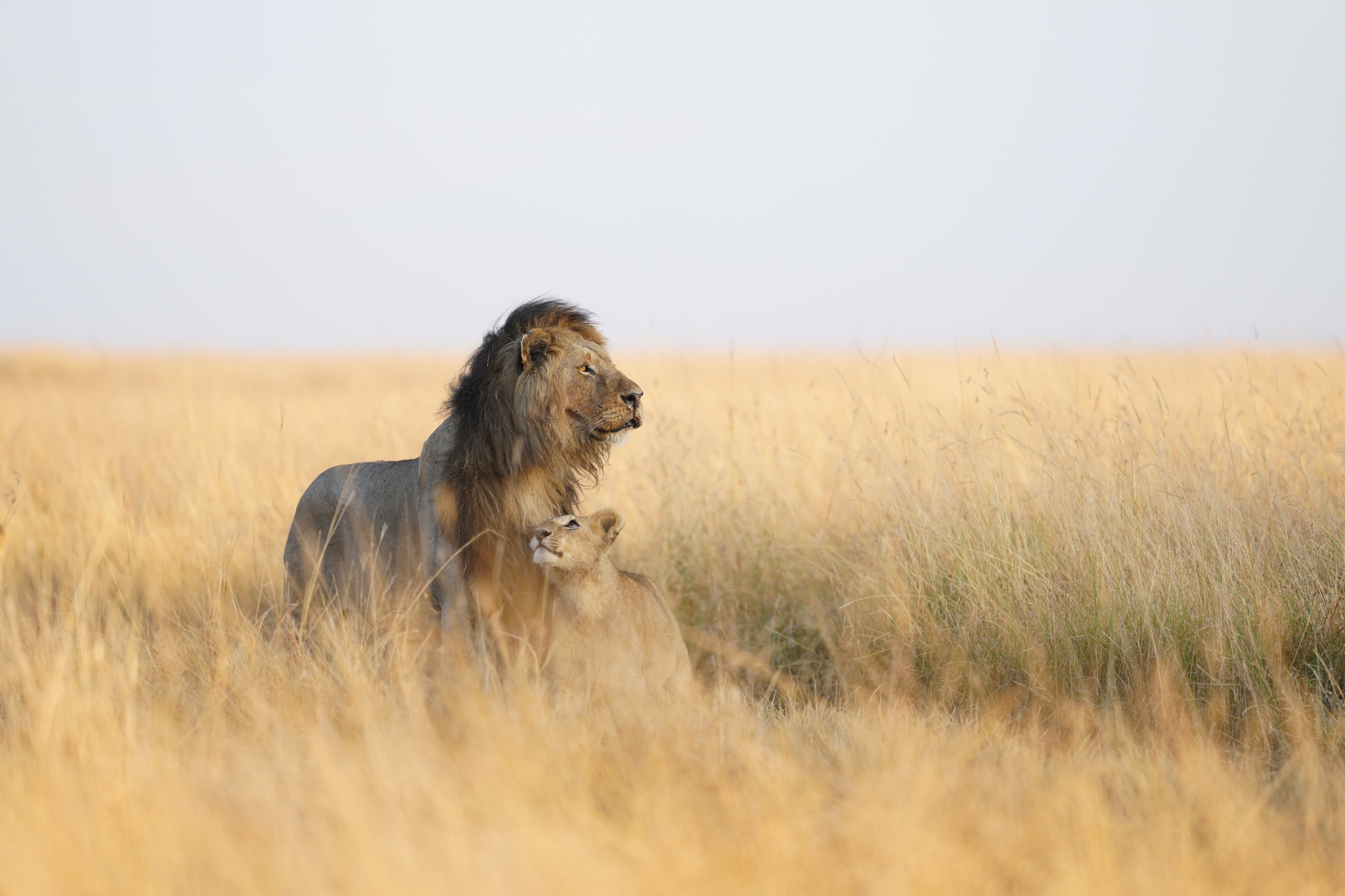
50.1 megapixels at 30 frames per second, full autofocus and exposure tracking, no viewfinder blackout, electronic shutter. Nothing else in 2021 came close to that combination. Behind it is a stacked Exmor RS sensor and two BIONZ XR processors running focus and exposure calculations 120 times a second. The stacked design earned its keep beyond the burst rate. Readout got fast enough that rolling shutter stopped being a reason to distrust the electronic shutter, which is the change I care about most, and mechanical flash sync reached 1/400 second. The 9.44 million dot viewfinder was also the first to run at 240fps. That sounds like a number until you try to hold a swift in the frame with a 60fps finder and realise you have been chasing an image that is already behind the bird. The specification sheet is only half of it. Two card slots take CFexpress Type A or SD UHS-II, so the buffer clears fast enough that you can keep working through a long sequence instead of watching a progress bar. There is a wired LAN port for agency delivery and the sealing holds up in weather that ends a lesser body's day. Sony built this one for people filing on a deadline, and it shows in the parts nobody writes about.
Bird eye autofocus is the feature everyone remembers, and fairly. The A1 found the eye of a bird in flight against branches and reeds often enough to move keeper rates rather than nudge them, which had not been true of anything before it. Put 30 frames per second and a silent shutter behind that and the day changes shape. Nervous species stay put because there is no shutter noise to move them. Wing positions that used to be luck become a decision you make later, at the computer, which is either liberating or a new editing problem depending on your temperament. And 50 megapixels gives you honest cropping room, which matters when you are at 600mm and the bird still occupies a third of the frame.
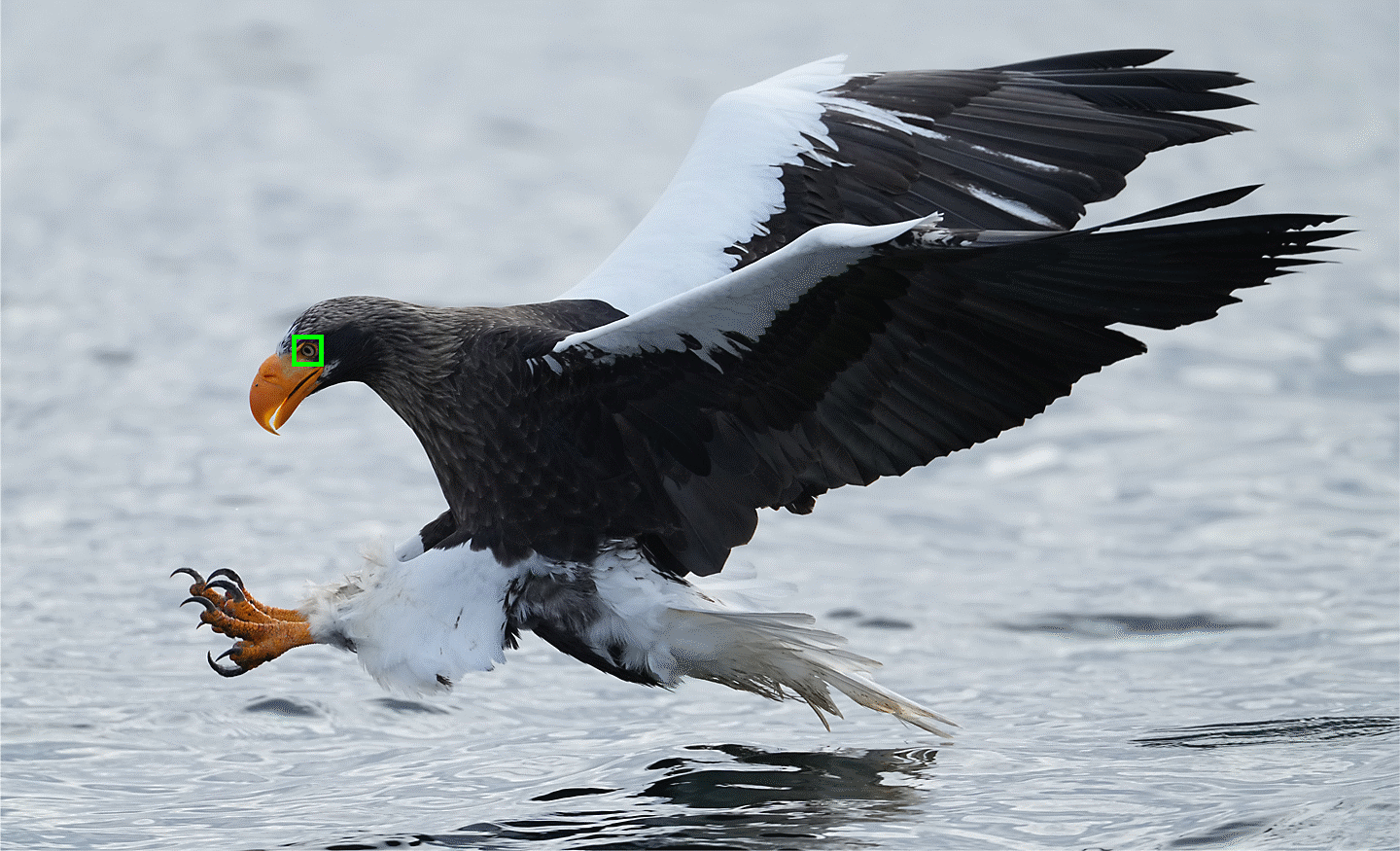
I have been fortunate enough to get my hands on one of these cameras for an amazing price, and have been testing it for the past few months. Although I have not been out and about to places with big game with this camera the birds in my garden has never looked this sharp. Looking forward to our September 2026 Kruger trip for testing the abilities of this camera. Stay tuned for then.